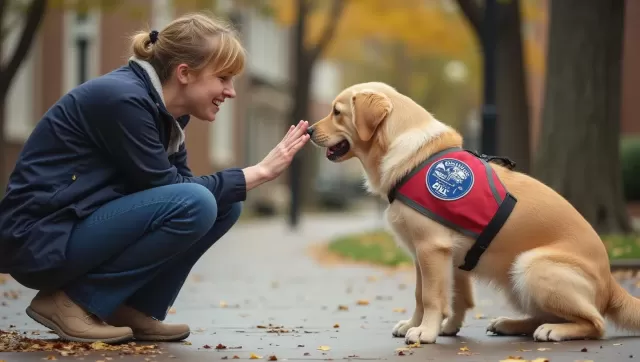
Decoding the Human-Pet Bond: Are We Meeting Their Needs?

The bond between humans and companion animals is ancient and complex, yet it raises profound questions about the quality of life we provide. Do our pets experience the idyllic existence we imagine, or does captivity come with unseen costs? Understanding the inner lives of these animals requires moving beyond anthropomorphism and learning to interpret their unique forms of communication. Their well-being depends on our willingness to become fluent in their behavioral languages and to provide for their specific physical and psychological needs.
This exploration is not limited to dogs and cats. Many other species, from sentient rodents to reptiles and fish, are often housed in environments that fail to meet their enrichment needs, leading to silent suffering. A thoughtful examination of what all companion animals require to thrive is not just an academic exercise—it is a moral imperative.
The Inextricable Human-Pet Bond
A core insight from contemporary research is the depth of the mutual relationship. Pets and humans are a package deal; one cannot exist without the other. This dynamic is uniquely human, with scant evidence of other species keeping "pets" in the wild. The history of this bond stretches back millennia:
- Dogs likely began their journey with humans over 30,000 years ago, with a partnership that may have started with wolves benefitting from human camps.
- Cats entered the equation around 10,000 years ago, forging a relationship based on rodent control around grain stores.
Globally, the "petscape" is remarkably diverse, extending far beyond common Western companions. Local animals worldwide, from eels to weasels, fulfill the role of companion, underscoring how integral these relationships are to human societies across cultures.
Decoding the Myths and Realities of the Animal Mind
There is a natural tendency for owners to project thoughts and emotions onto their animals. While this can foster empathy, the science often reveals a different reality. Key points include:
- Many beloved beliefs about what pets think or feel are not supported by behavioral data.
- However, the very act of attributing a rich inner life to an animal is a positive step, as it acknowledges their capacity for experience.
- The goal should be to balance our affection with evidence-based understanding of their true cognitive and emotional worlds.
The field is full of fascinating, if idiosyncratic, claims—from dogs allegedly using calculus to fetch or aligning with magnetic fields to defecate, to the deep grief owners experience at a pet's passing. These stories highlight the profound, if sometimes mysterious, nature of the connection.
Extending Compassion Beyond Our Homes
The hope is that as we learn more about the animals in our homes, our circle of compassion will widen. This benevolence can extend to the wildlife increasingly sharing our urban spaces:
- The birds at feeders, raccoons, and urban foxes are all neighbors whose lives intersect with ours.
- Recognizing their needs and behaviors fosters a more harmonious coexistence.
- This shift toward greater respect and dignity for all creatures, captive or wild, ultimately benefits entire ecosystems and enriches our own humanity.
The journey toward truly understanding our companion animals is ongoing. It challenges us to listen more carefully, observe more closely, and prioritize their needs as distinct individuals. In doing so, we not only improve their lives but also deepen the meaning of the ancient bond we share.