Duke Study: Dogs Evolving for Human Companionship
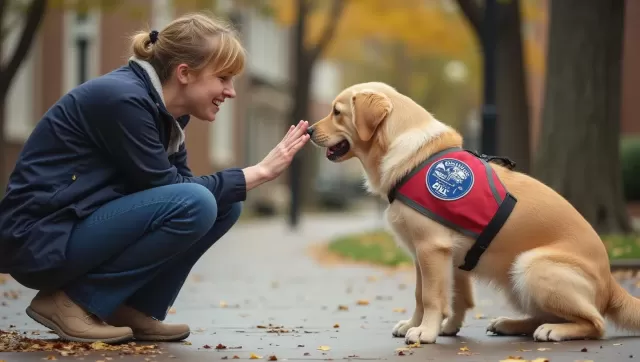
A groundbreaking study from Duke University is reshaping our understanding of canine intelligence, revealing how puppies learn and how the very nature of dogs is evolving to deepen their bond with humans. By examining 101 potential service puppies, researchers have uncovered that dogs, much like people, possess diverse forms of intelligence and unique individual strengths from a very young age.
The Critical Window for Puppy Learning
The research team, led by Vanessa Woods and Hannah Salomons of Duke's Puppy Kindergarten, identified a crucial developmental period between 8 and 20 weeks of age. During this time, puppies are most receptive to learning, but they acquire different skills at varying speeds.
One of the earliest cognitive abilities to emerge, typically around 8 weeks, is the capacity to interpret human gestures. The researchers noted this skill as a form of "mind reading," where puppies demonstrate an innate understanding of human communication cues. The study also pinpointed a significant cognitive leap at approximately 16 weeks, by which point most puppies had mastered the skills they were being taught. Interestingly, the learning environment—whether a traditional home with one-on-one attention or the bustling university campus with numerous people and other dogs—did not produce a significant difference in the puppies' overall performance.
Every Dog Has a Unique Spark
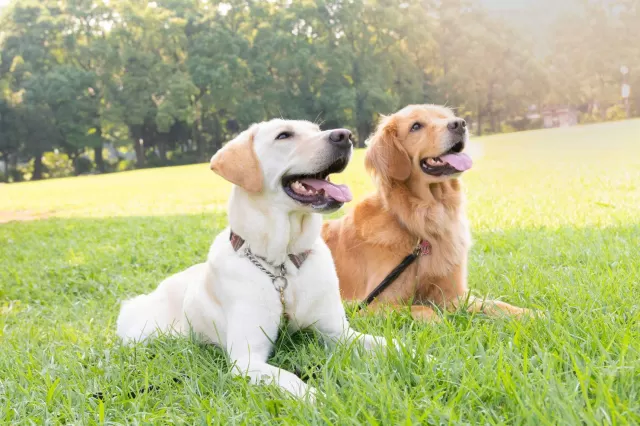
A core finding of the study is that there is no single measure of intelligence for dogs. The Labrador and golden retriever puppies in the study each showed that some dogs simply excel in certain areas more than others. This insight has profound implications for the world of working and service animals.
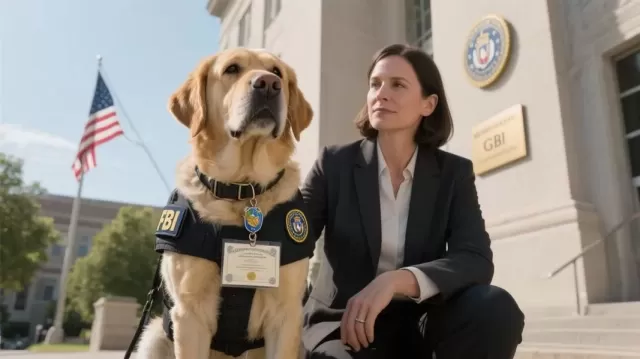
Placing a dog in a role that complements its natural abilities is critical for success. This is especially important given the significant investment required to train a service dog, which can cost up to $50,000 over two years. With nearly half of all candidates not completing the training, being able to identify a dog's strengths early on is invaluable. Salomons suggests this research can help select dogs best suited for specific jobs, whether it's an independent search-and-rescue dog, a socially adept therapy dog, or a service dog skilled at following precise instructions.
A New Era of Canine Companionship
The study supports a fascinating theory about a "third wave of domestication" for modern dogs. Woods outlines this evolution in three distinct stages:
- First Wave: The initial partnership between dogs and humans, where canines joined us around campfires and as hunting companions.
- Second Wave: The Victorian era, which saw the rise of selective breeding to achieve specific aesthetic looks and specialized traits.
- Third Wave: The current cultural shift, where dogs are integrated into our families as never before. They live inside our homes and rely on us completely for their social, nutritional, and physical needs. This new role demands adaptation to modern life, such as walking on leashes and suppressing the instinct to bark at every passerby—behaviors for which no dog was originally bred.
More than ever, people desire a companion that embodies the qualities of a service dog: calm, gentle with all family members, and able to accompany them anywhere.
What This Means for Your Dog
These findings are not limited to the purebred retrievers in the study. The research highlights that any dog, regardless of breed, has the capacity to learn according to its unique cognitive profile. While certain breeds are more common in service roles, Woods notes this is often due to public perception and prejudice, not a fundamental difference in ability.
The study suggests that breeds typically used for service work may have already advanced further into this third wave of domestication. Evidence for this can be seen in their neurochemistry, as these dogs often show higher levels of oxytocin—the hormone associated with bonding, love, and social connection.
The Future of Canine Assessment
Looking ahead, the researchers aim to refine their ability to predict an adult dog's behavior and job suitability based on their characteristics as a puppy. The ultimate goal is to identify the optimal time to test for desired traits, ensuring more puppies can be placed in roles where they will thrive, strengthening the remarkable partnership between humans and dogs.