Ancient DNA in Soil: Rewriting History's Narrative
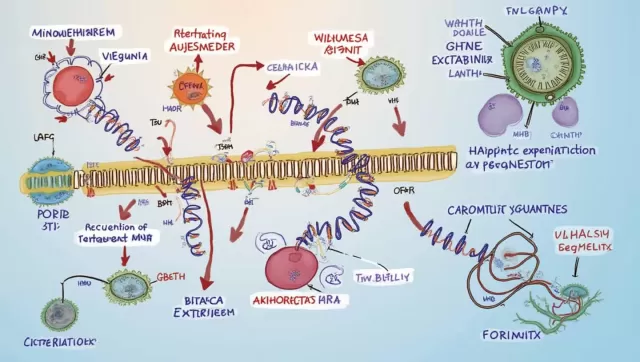
The vast majority of life on Earth vanishes without a trace, its organic material broken down and returned to the planet. Fossilization is a rare event, leaving gaps in our understanding of past ecosystems and civilizations. But a new frontier in archaeological science is emerging: sedaDNA, or sedimentary ancient DNA. This revolutionary technique allows scientists to extract and analyze genetic material preserved within soil and rock, offering unprecedented insights into the past.
Unlike traditional fossil records, sedaDNA captures a much broader spectrum of life. Microscopic traces of DNA, shed from skin, hair, faeces, pollen, and decaying tissue, become bound to mineral structures within sediments under specific environmental conditions. This remarkable process can preserve genetic information for hundreds of thousands, even millions, of years.
Rewriting History Through Soil
The implications of sedaDNA analysis are profound. For instance, analysis has revealed that woolly mammoths roamed the Arctic long after conventional scientific wisdom suggested their extinction in the region. Furthermore, sedaDNA allows researchers to study the history of soft-bodied organisms, like worms, which rarely fossilize, giving a more complete picture of ancient biodiversity.
Bridging the Gap Between Art and Science
The power of sedaDNA extends beyond paleontology. In Norway, scientists have successfully matched DNA extracted from sediments with ancient rock paintings depicting animals, creating a direct link between genetic evidence and artistic expression from the past.
Peering into Ancient Civilizations
Currently, researchers are employing sedaDNA to investigate the lives of people who lived in ancient port cities. The PortGEN project, led by scientists, analyzes sediments from locations like Rome and Venice. By sifting through the preserved DNA, they hope to unearth details about the diet, health, and activities of past populations, enriching our understanding of ancient civilizations.
The possibilities offered by sedaDNA are only beginning to be explored, and further research will undoubtedly uncover even more fascinating insights into the history of life on Earth.