Microplastics: An Internal Invasion & Health Concerns
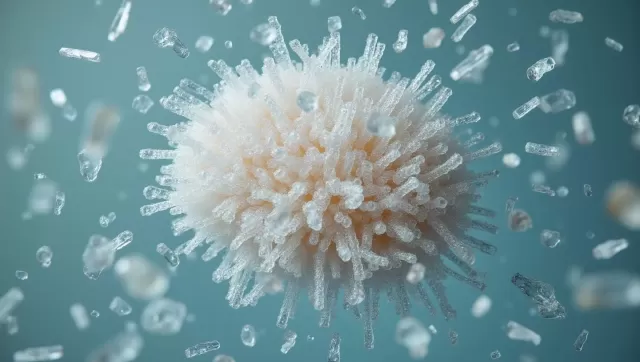
The relentless proliferation of microplastics is no longer a distant environmental concern; it's a deeply personal one. These minuscule particles, born from the breakdown of everyday plastics, are infiltrating our bodies, raising critical questions about their impact on our health. Recent studies suggest these pervasive pollutants may be disrupting the delicate balance of our gut microbiome, with potential links to conditions like depression and colorectal cancer.
Microplastics: An Internal Invasion
Microplastics, originating from sources as diverse as packaging, clothing, and vehicle tires, are so small they can breach our bodies' natural defenses. They slip through the linings of our lungs and digestive tracts, entering the bloodstream and embedding themselves in organs and even individual cells. Scientists are only beginning to understand the ramifications of this widespread contamination.
Unsettling Discoveries
Research is revealing some worrying correlations. Studies have detected microplastics within the brains of dementia patients and in arterial plaques of individuals with heart disease. Notably, individuals with plastic-laden plaques were found to have a significantly higher risk of experiencing stroke, heart attack, or death.
The Unknown Threshold
Currently, there's no established "safe" level of microplastic exposure. This is partly because the field of microplastic research is relatively nascent. Experts emphasize the importance of caution when interpreting consumer test results, as they may not accurately reflect the long-term health implications. Further complicating matters is the diversity of plastics themselves – different types, shapes, and sizes may pose varying levels of risk.
A Call for Precaution
While definitive answers remain elusive, experts advocate for proactive measures to minimize exposure. Given the potential for harm, reducing our contact with microplastics is a sensible approach.
Practical Steps to Minimize Exposure
Here are several actionable strategies to reduce microplastic intake:
- Kitchen Considerations: Avoid heating food in plastic containers and opt for glass or stainless steel alternatives. Be mindful of plastic utensils, cutting boards, and even teabags, which may release microplastics.
- Water Sources: While tap water contains trace amounts of microplastics, bottled water often contains significantly higher concentrations.
- Beyond the Kitchen: Prioritize natural fibers for bedding and clothing, particularly items used during sleep.
- Personal Care Products: Scrutinize labels on cosmetics and personal care items, avoiding products containing ingredients like polyethylene, polypropylene, polyurethane, or acrylates. Seek out plastic-free alternatives for menstrual products.
- Air Quality: Minimize exposure to airborne plastics by avoiding high-traffic areas and ensuring adequate ventilation in your home and vehicle.
- Responsible Disposal: Repurpose plastic items whenever possible and recycle responsibly to prevent further degradation and microplastic release.