Natural Compound Boosts Leukemia Treatment Hope
A promising new study from the University of Surrey reveals that forskolin, a compound sourced from plants, could significantly advance treatment for a particularly aggressive form of leukemia. The research, focused on KMT2A-rearranged Acute Myeloid Leukemia (KMT2A-r AML), demonstrates that this natural substance has the potential to create more effective and less harsh therapeutic strategies.
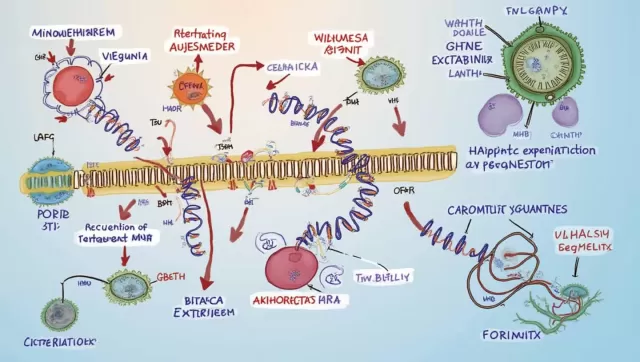
The findings, detailed in the British Journal of Pharmacology, show that forskolin works in two distinct and powerful ways. Firstly, it directly targets the cancer cells, slowing their rapid growth. This is achieved by activating a crucial enzyme called Protein Phosphatase 2A (PP2A), which helps regulate cell functions. Simultaneously, forskolin dials down the activity of several genes strongly associated with cancer progression, including MYC, HOXA9, and HOXA10.
Boosting the Power of Conventional Chemotherapy
Beyond its direct anti-leukemic properties, the study uncovered a remarkable secondary benefit. Forskolin was found to make KMT2A-r AML cells substantially more vulnerable to daunorubicin, a cornerstone chemotherapy drug used in AML treatment. This synergistic effect opens the door to combination therapies that could be far more potent than chemotherapy alone.
Interestingly, this chemo-sensitizing effect operates through a separate pathway. The researchers discovered that forskolin disrupts the function of P-glycoprotein 1. This protein acts as a defensive pump for cancer cells, actively ejecting chemotherapy drugs and reducing their effectiveness. By inhibiting this pump, forskolin ensures that more daunorubicin stays inside the leukemia cells, amplifying its cancer-killing power.
How Forskolin Fights Leukemia
The research highlights a unique dual-mechanism approach that could revolutionize how this aggressive cancer is treated. The key actions of forskolin include:
- Directly Slowing Cancer Growth: By activating the PP2A enzyme and suppressing key cancer-promoting genes, forskolin impedes the proliferation of leukemia cells.
- Enhancing Chemotherapy: By blocking the P-glycoprotein 1 pump, it prevents cancer cells from expelling the chemotherapy drug daunorubicin, leading to a much stronger therapeutic effect.
A Collaborative Push for Kinder, More Effective Treatments
This groundbreaking work, led by Dr. Maria Teresa Esposito at the University of Surrey, suggests that combining forskolin with standard chemotherapy could lead to a more effective treatment strategy. This could potentially allow clinicians to use lower doses of chemotherapy, thereby reducing the severe and debilitating side effects that patients often endure.
The research was made possible through funding from Leukaemia UK, an organization committed to advancing innovative cancer therapies. Dr. Simon Ridley of Leukaemia UK noted that studies like this are vital for a deeper understanding of aggressive cancers like AML and are essential for developing kinder treatments that can help achieve the goal of doubling the five-year survival rate for AML in the coming decade.
This significant discovery was the result of a wide-ranging scientific partnership, bringing together experts from the University of Surrey, the University of Roehampton, Barts Cancer Institute at Queen Mary University of London, the Great Ormond Street Institute of Child Health at UCL, and the Centre for Genomic Regulation in Barcelona, Spain.