
Allerton Cemetery's Chapel Walls: A Botanical Wonder
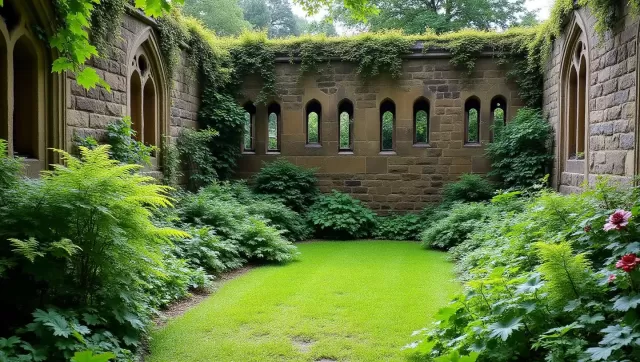
Allerton Cemetery, a green lung in Liverpool, draws crowds seeking connections to celebrated figures like Cilla Black and John Lennon's mother. But beyond the gravestones lies a more subtle attraction: a thriving ecosystem clinging to the walls of the disused mortuary chapels. These sandstone structures, relics of a bygone era since closed in 1975, now host a surprising botanical spectacle.
A Haven for Unexpected Flora
While the chapels stand silent, their windows boarded, their interiors surrendered to birds, their exterior walls have become a sanctuary for plant life. Forget typical cemetery blooms; here, among the ubiquitous buddleia, you'll find hardy species more accustomed to mountainous terrains. These botanical pioneers have established themselves in the mortar, exploiting its weathering qualities as a surrogate for the rocky scree they favor.
A Vertical Rockery of Ferns
One chapel wall has transformed into a vertical rockery, dominated by evergreen Asplenium ferns. Wall rue ( Asplenium ruta-muraria), with its tiny, bluish-green fronds, thrives alongside maidenhair spleenwort (Asplenium trichomanes), its delicate lime-green leaflets contrasting with shiny black stems. The strap-like fronds of hart's-tongue fern (Asplenium scolopendrium) also flourish, taking advantage of areas where water gathers.
Beyond ferns, there are also hairy bittercress (Cardamine hirsuta), diminutive yew saplings, and the solitary polypody fern (Polypodium vulgare). In a shadowy nook of the Catholic chapel, a patch of Soleirolia soleirolii, with names like mind-your-own-business, angel's tears, or baby's tears, adds a poignant touch to this landscape of remembrance and resilience.
Amidst the inevitability of change and decay, these chapels reveal a hidden world where deep-rooted stones are adorned with light and life.