India Seeks US Tariff Relief as State Firms Buy Russian Oil
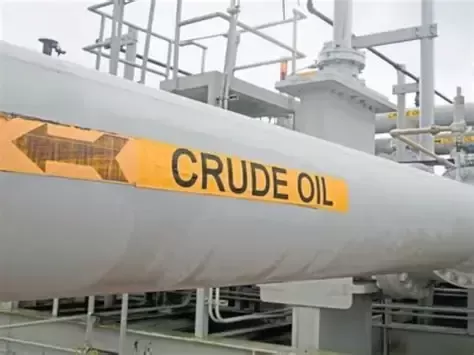
The delicate balance of international trade is currently under strain as India navigates a complex energy relationship with Russia while attempting to mitigate financial penalties from the United States. Despite official efforts from New Delhi to advocate for the removal of significant trade tariffs, market intelligence suggests that Indian state-owned enterprises remain a primary destination for Russian crude shipments.
The Push for Tariff Relief
Recently, diplomatic channels have been active in Washington. Reports indicate that India's representative to the United States has engaged with high-ranking American officials to request the reversal of a 25% secondary tariff placed on Indian exports earlier this year. The argument presented by Indian officials hinges on the claim that the country has significantly scaled back its reliance on Russian energy. This diplomatic maneuver follows a series of aggressive measures from Washington, including the late-year blacklisting of major Russian energy entities.
A Shift in Refiner Behavior
While aggregate figures show a dip in total imports during the final month of the year, industry observers suggest this trend does not tell the whole story. The reduction was primarily driven by private sector giants, which curtailed their intake following the implementation of stricter U.S. sanctions. In contrast, the public sector landscape tells a different story:
- Public Sector Undertakings (PSUs) like the Indian Oil Corporation and Bharat Petroleum have maintained a steady flow of imports.
- These state-backed refiners are reportedly sourcing crude through suppliers that remain outside the scope of current sanctions to ensure future delivery.
- Internal demand for fuel within India remains a powerful driver for these ongoing purchases, which are often secured at favorable price points compared to global benchmarks.
Evaluating Recent Market Data
According to tracking information from specialized firms like Kpler, December saw Indian imports of Russian oil reach their lowest point in two years, dropping to roughly 1.24 million barrels per day. However, this lull is viewed by many as a temporary adjustment rather than a permanent pivot. Analysts at Rystad Energy anticipate a resurgence in the coming weeks, projecting a return to levels around 1.8 million barrels per day. This resilience highlights an internal redistribution of demand among different types of refiners rather than a total collapse in interest.
Potential Economic Consequences
The geopolitical stakes remain high as the U.S. administration monitors the situation closely. Recent statements from the American leadership suggest that trade barriers could be escalated further if New Delhi fails to demonstrate a definitive shift away from Russian crude. For the United States, these oil sales represent a critical financial lifeline that allows Moscow to bypass Western economic pressure. For India, the challenge lies in securing affordable energy to fuel its domestic economy while avoiding a prolonged trade war with its most significant Western partner.