Japan's AI Bear Video Crisis: Fear and Misinformation
Japan is currently facing an unprecedented crisis involving its native bear populations, creating a wave of concern across the nation. This situation is uniquely complicated by a surge in digitally fabricated content, blurring the lines between reality and fiction and amplifying public fear.
The Alarming Reality: A Surge in Bear Encounters
The threat on the ground is undeniably real and reaching historic levels. Official data paints a stark picture of a growing conflict between humans and bears, primarily driven by environmental factors.
Key Statistics of the Bear Crisis (2024 Data):
| Metric | Figure | Significance |
|---|---|---|
| Fatal Attacks | 13 people | A record high, more than double the previous worst year. |
| Reported Injuries | Over 100 people | Indicates a high frequency of non-lethal encounters. |
| Sightings (Apr-Sept) | Approx. 20,700 reports | A significant increase of about 7,000 from the same period in 2023. |
This dramatic uptick is not random. Wildlife experts point to two primary causes:
- Food Scarcity: A widespread failure of key natural food sources, such as acorns and beechnuts, has left bears starving and desperate. With their traditional diet unavailable, they are forced to roam farther in search of sustenance.
- Encroaching Habitats: Decades of rural depopulation have led to the erosion of the clear boundaries that once separated wild forests from towns and villages. As nature reclaims abandoned areas, bears find it easier to venture into human-populated zones without hesitation.
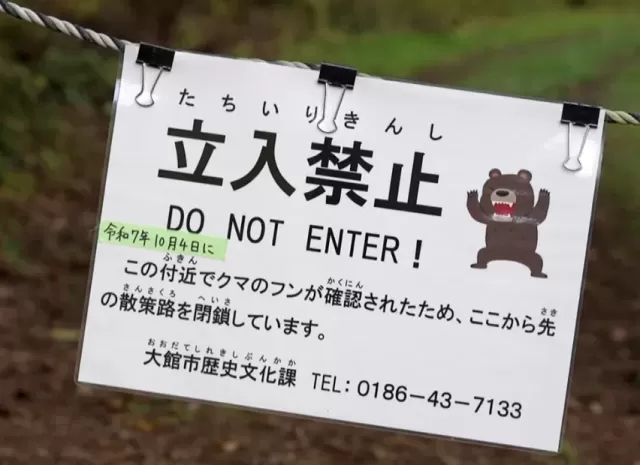
The disruption to daily life, particularly in northern prefectures like Akita and Hokkaido, is profound. Essential services have been impacted, with Japan Post suspending mail delivery in certain high-risk areas. The national Self-Defense Forces have even been deployed to assist licensed hunters in managing the bear population, underscoring the severity of the situation.
The Digital Dilemma: AI-Generated Videos Fueling Fear
Just as the real-world crisis intensifies, a parallel problem has emerged online. Social media platforms, especially TikTok, are being flooded with highly realistic, AI-generated videos depicting dramatic and often misleading bear encounters.
Common Themes in Fake Bear Videos:
- Bears rampaging through industrial sites, like solar power plants.
- Predatory attacks on domestic animals, such as a bear snatching a pet dog.
- Individuals, including vulnerable figures like schoolchildren, successfully fighting off bears.
- Bears being fed or interacting peacefully with humans in residential settings.
An analysis by a major Japanese newspaper revealed that a startling 60% of bear-related video content on one platform was artificially generated. While some clips carry a "Sora" watermark or a disclaimer, many are so sophisticated that they are virtually indistinguishable from genuine footage.
Why Fake Bear Content is So Dangerous
The proliferation of this synthetic media is not a harmless trend; it poses several tangible risks that exacerbate an already volatile situation.
- Amplifying Public Anxiety: The sheer volume of frightening videos, both real and fake, creates a perception that bear attacks are happening constantly everywhere, fostering a climate of panic that far exceeds the actual, though serious, threat.
- Promoting Dangerous Behavior: Perhaps the most critical danger lies in the demonstration of incorrect survival tactics. Videos showing people fighting bears or feeding them are catastrophically misleading. In reality, black bears can weigh over 130kg (287lbs), and the Ussuri brown bears of Hokkaido can reach a staggering 400kg. They are immensely powerful and can easily outrun a human. The actions depicted in these videos would almost certainly lead to a tragic outcome.
- Undermining Official Information: These videos create confusion and can drown out crucial safety messaging from local authorities. There have already been instances where municipal governments have had to issue formal denials after AI videos went viral, falsely showing bear incidents in their jurisdictions.
Expert Safety Guidelines: How to Behave During a Bear Encounter
It is imperative to rely on expert advice, not viral videos, for guidance. Here are the essential, evidence-based steps to take if you encounter a bear, whether in the woods or in a suburban area.
What to Do (and Not Do) in Bear Country:
| Do's | Don'ts |
|---|---|
| Remain calm and back away slowly. Never turn your back or run, as this can trigger a chase response. | DO NOT RUN. This can trigger a bear's predatory instinct. |
| Make yourself look larger by raising your arms and jacket. Stand your ground and group together if you are with others. | DO NOT PLAY DEAD unless you are certain it is a defensive attack by a grizzly/brown bear. This is not recommended for black bears. |
| Speak in a firm, calm voice to identify yourself as a human. | DO NOT CLIMB A TREE. Black bears are excellent climbers. |
| Carry and know how to use bear spray as a highly effective deterrent. | DO NOT FEED THE BEAR. This eliminates their natural fear of humans and guarantees future conflicts. |
| If attacked by a black bear, fight back aggressively. Use any object available and focus on the bear's face and muzzle. | DO NOT APPROACH a bear, especially a cub, as the mother is always nearby. |
Professor Shinsuke Koike of Tokyo University of Agriculture and Technology emphasizes the critical importance of not feeding bears, a behavior sometimes glamorized in fake videos. "Feeding a bear is extremely dangerous," he warns, "and could result in them no longer fearing humans," creating a "problem bear" that will likely need to be destroyed.
Navigating the Information Landscape
As the bear situation continues to evolve, it is vital for the public to consume information critically.
- Verify the Source: Before sharing alarming footage, check if it comes from a reputable news organization or government body. Look for official watermarks or source citations.
- Be Skeptical of Sensational Content: Videos showing incredibly dramatic or unlikely scenarios, such as a lone person fending off a bear, are almost certainly fabricated.
- Heed Local Authorities: Information from municipal offices, police, and the environment ministry is the most reliable. Follow their instructions regarding safety and sightings in your area.
The confluence of a genuine wildlife crisis and a storm of digital misinformation presents a unique challenge for Japan. By understanding the real data, recognizing the hallmarks of fake content, and adhering to expert safety advice, individuals can protect themselves and help prevent a dangerous situation from escalating further. The responsibility lies with both the authorities to manage the bear population and with the public to stay informed and discerning.