Melting Glaciers: A Looming Threat to Middle East Water Security and Stability
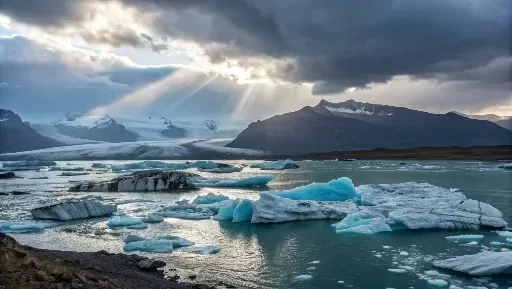
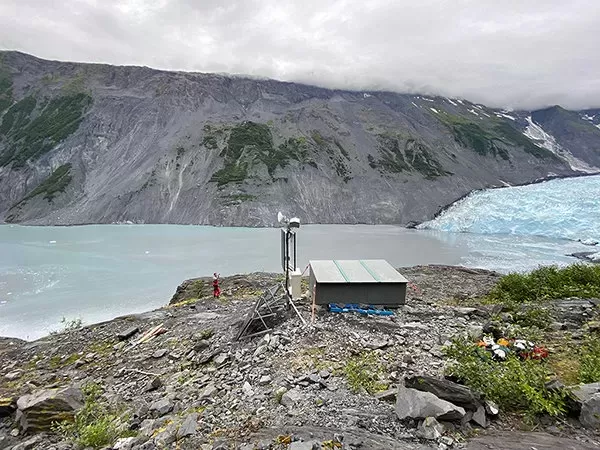
The accelerating melt of glaciers worldwide, driven by climate change, is not a distant problem, but a direct and growing threat to the Middle East, experts warn. New data from the World Meteorological Organisation (WMO) reveals record-breaking glacial mass loss in the past three years, underscoring the urgency of addressing this global crisis.
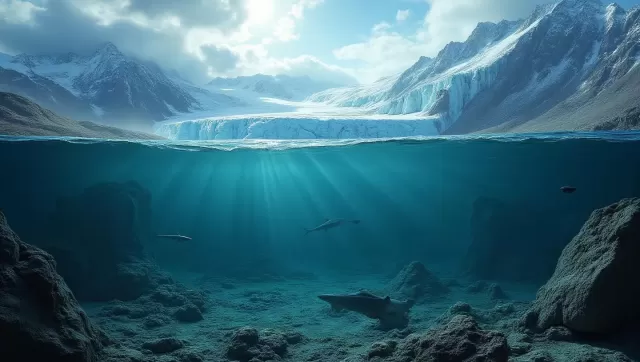
World Water Day, observed this year under the theme of glacier preservation, highlights the critical role glacial meltwater plays in providing drinking water and sustaining agriculture for billions. The WMO's findings paint a grim picture, with the cryosphere – Earth's frozen regions – shrinking at an alarming rate.
"Glaciers continue to retreat, and Antarctic sea ice reached its second-lowest extent ever recorded," said Prof. Celeste Saulo, Secretary-General of the WMO. "Meanwhile, extreme weather continues to have devastating consequences around the world." Last year was the hottest on record, exceeding the 1.5°C warming target set by the Paris Agreement.
The Middle East Connection:
While seemingly far removed from glacial regions, the Middle East faces serious consequences from this phenomenon. Dr. Amna Bint Abdullah Al Dahak, the UAE's Minister of Climate Change and Environment, emphasized the global implications, stating, "Despite the geographical distance, the UAE recognises the global consequences of their disappearance – impacting food security, economic stability, and accelerating sea-level rise. We embrace our shared responsibility through sustainable water management."
Major rivers vital to the region, such as the Nile and the Euphrates, are fed by glaciers. As these glaciers shrink, the water supply to these rivers will diminish, threatening agriculture and urban centers.
"The water we rely on and the food we import, and even our coastal infrastructure are all affected by what happens to the world's glaciers," explained Nidal Hilal, professor of engineering and director of the NYU Abu Dhabi Water Research Centre. Rising sea levels, a direct result of glacial melt, threaten low-lying coastal cities in the UAE, Qatar, and elsewhere in the region.
"So when we talk about melting glaciers, it is not just a crisis for the Arctic or Himalayas, it is a global issue that affects water, food and stability right here in all the Mena region," said Prof Hilal.
Diminished river flows lead to increased seasonal droughts and greater reliance on desalination, an energy-intensive process. The World Bank predicts that water scarcity could displace over 700 million people globally by 2030, further destabilizing already vulnerable regions.
Solutions and Sustainability:
Initiatives showcasing sustainable water usage offer a path forward. Expo City Dubai's Terra pavilion, for example, demonstrates innovative approaches, including atmospheric water extraction and advanced water recycling systems, to minimize waste. Philip Dunn, a senior sustainability manager at Expo City Dubai highlighted that "At Terra we realize every drop of water is very important,"
The UAE Water Security Strategy 2036 aims to reduce total water demand by 21% and significantly improve water-use efficiency. Addressing the challenge of melting glaciers requires a combination of global cooperation, sustainable water management strategies, and significant investments in adaptation measures to mitigate the far-reaching climate risks facing the Middle East.